I design the product and the system around it
I design how program catalogs are organized, how associate tools behave, and what a prototype has to show before a team can commit. The standards and the training come out of that same work, not after it.
Selected work
Projects, and the decisions behind them
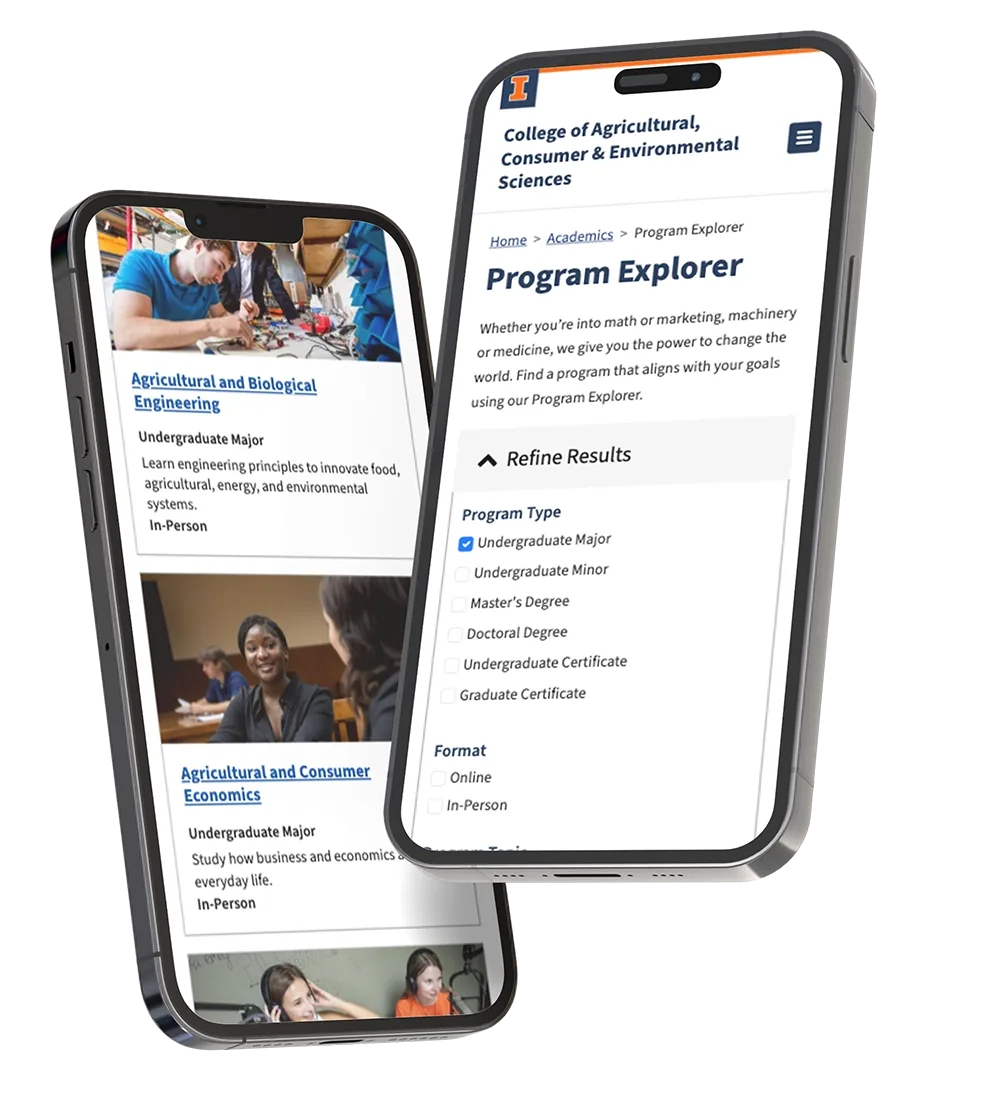
College of ACES, University of Illinois · 2022–2023
ACES Program Explorer
I designed and led an interest-based Program Explorer that helped prospective students browse a growing academic catalog without needing to understand the college’s department structure first.
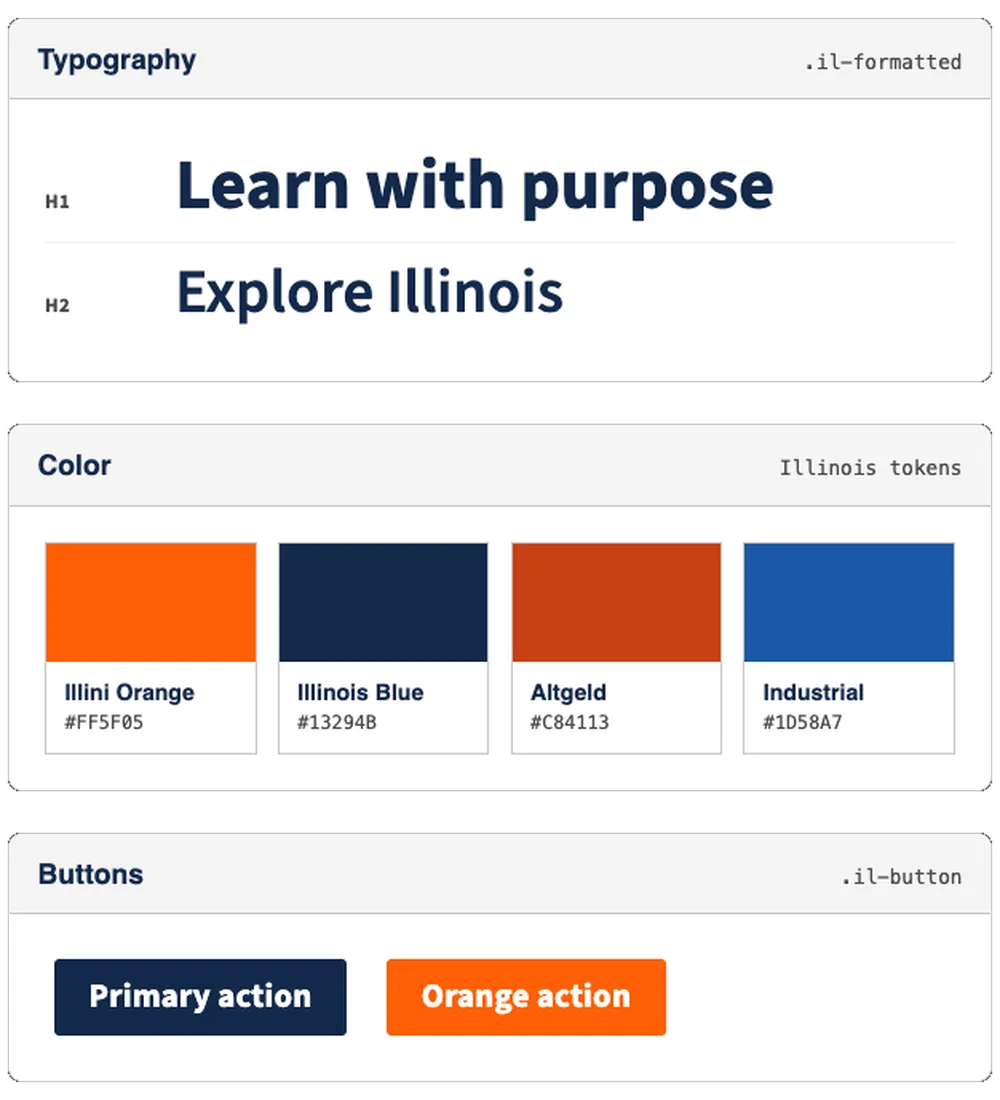
University of Illinois · 2020–2023
Illinois Digital Design System
The university had print-focused brand standards, but no digital design system. I built the v1 foundation and component library that became its first, then helped govern the cross-campus community that kept it spreading after I left.
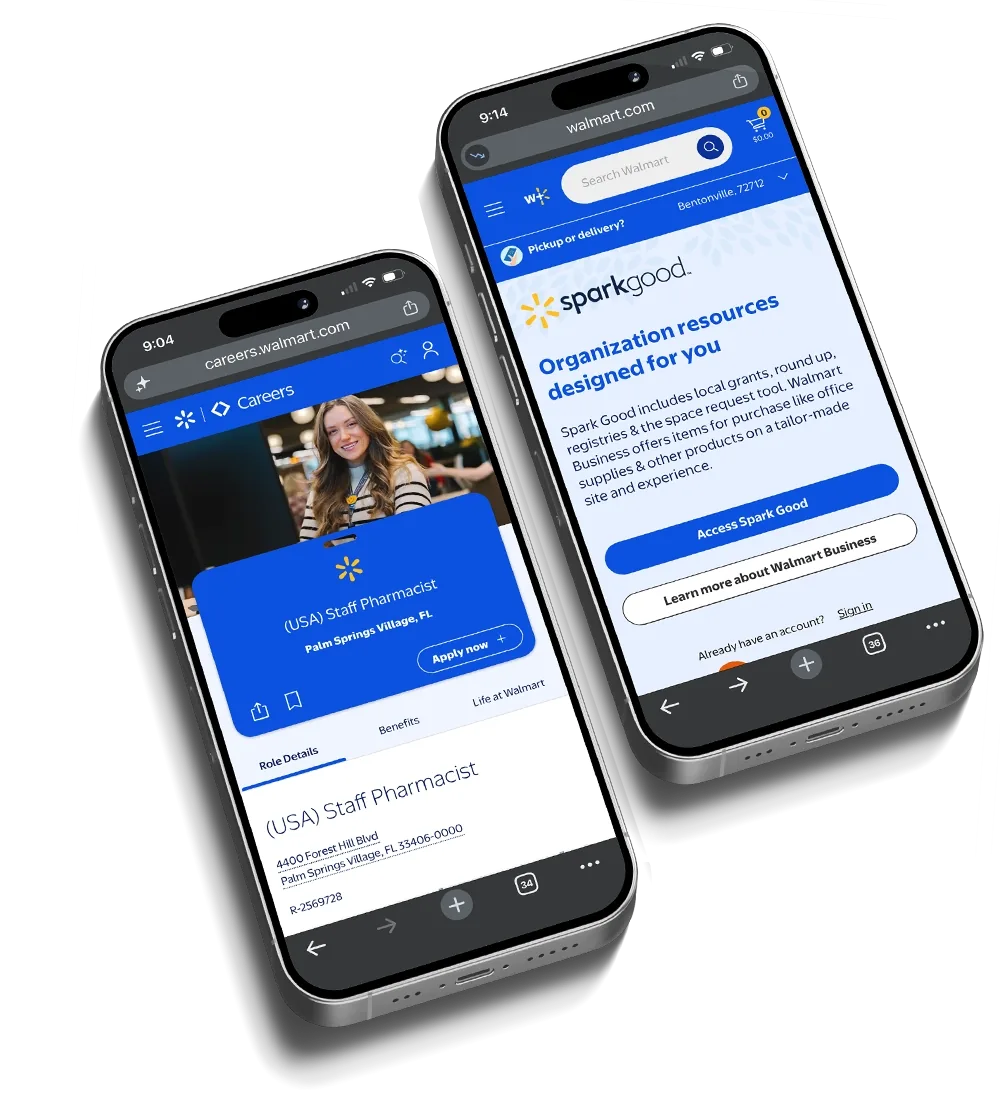
Walmart Experience Quality Strategy · 2024–2026
Touchpoint portfolio strategy
I built one decision system for roughly 80 touchpoints, so accessibility support could follow risk rather than visibility. A reorganization had just put all of them under one organization, and the support model that came with them had been built for a fraction of the work.
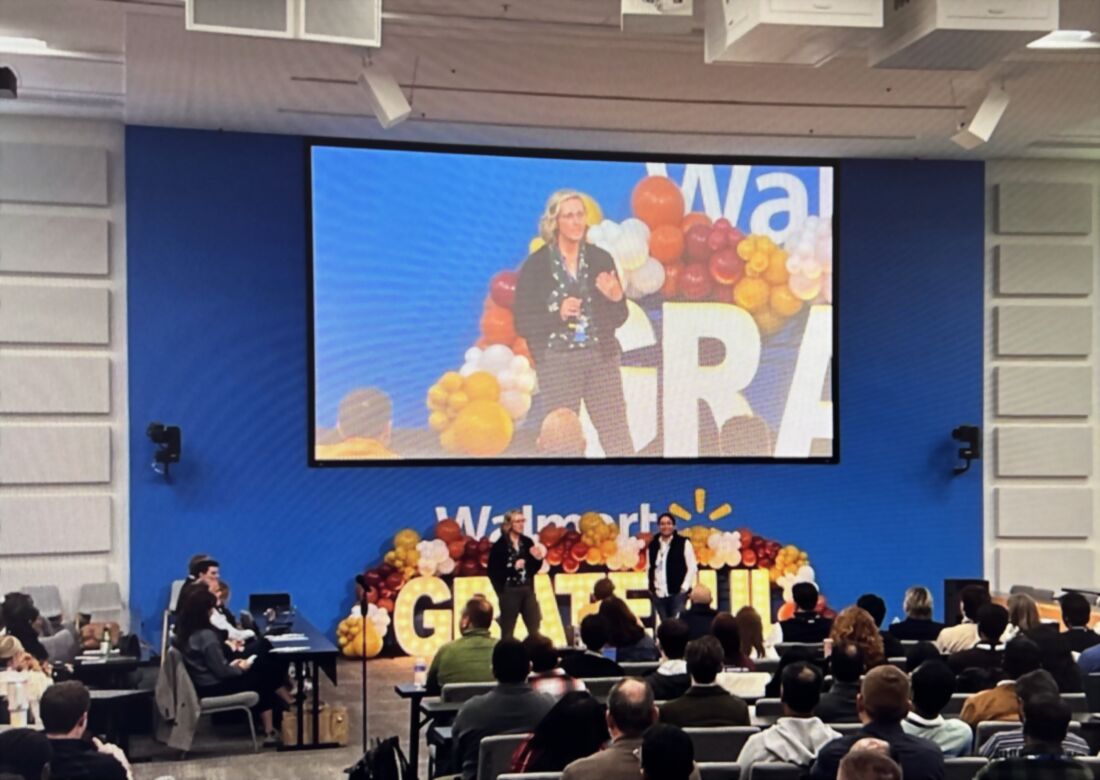
Speaking & teaching · 2020–2025
Presentations & knowledge sharing
Invited talks and teaching where I turn complex experience, design-system, and governance work into a shared direction teams and leaders can act on.
How I work
The first decision is which layer the problem is on
Draw it early enough to be wrong
Wireframes and working prototypes, so people are reacting to something real instead of to a description of it.
Write the call down so it holds
Written guidance, review paths, and decision tools, so a judgment made once does not get remade from scratch. One of those was an AI-assisted intake I piloted, with a person checking every result.
Teach it while I do it
Job aids, practice files, and coaching while the work is still open. The next call should not have to come back to me.
Put the tradeoff on the table
I bring product, engineering, business, and design into the same conversation when a decision affects the experience, the team, or both.
About and resume
The projects make more sense with the background
About Melissa
Where the systems habit came from, how accessibility changed what I count as finished, and what I do outside the work.
Resume
Roles, scope, and what I was responsible for at Walmart and the University of Illinois.