About
Making is how I figure things out
I came up through graphic design and photography. I still make images, and now I build systems and standards too. I care about what people see and what lets the work happen.
Where I started
I learned to notice the work behind the work early
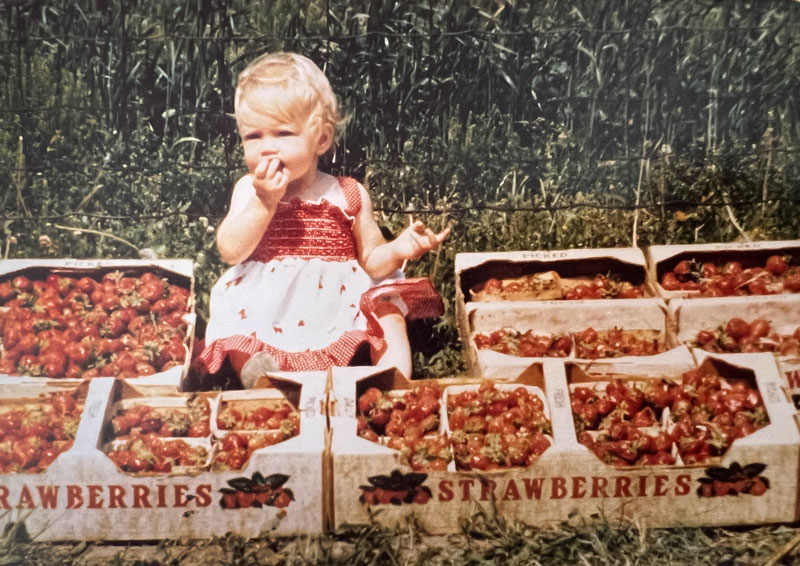
I grew up on a small u-pick farm in central Illinois. Summers meant strawberries, blueberries, early mornings, and a lot happening before customers arrived.
It taught me a few things:
- keep things organized
- solve problems fast
- help people find what they need
- make the experience feel easy, even when it takes work
I didn’t call it design then, but I was already paying attention to how the whole thing held together.
How I got here
Design made sense when I started looking underneath
I’ve always been creative. I studied graphic design in college and became a self-taught photographer along the way.
Visual clarity mattered to me, but I kept wanting to know what made an experience work. UX gave me a way to connect visual thinking with the bigger questions:
- how people find their way through information
- where communication breaks down
- how teams make decisions
- how good design reduces friction
What I build
I build the structure around the work
I still care about the product itself. When the same problem keeps showing up, I also look for a clearer way to handle it next time.
That often means building:
- design systems
- shared standards and review paths
- workflows and documentation
- training that helps people use the tools well
I like making complex work easier to understand and helping people make better decisions sooner.
A good system should not need a lot of explaining every time it’s used.
Accessibility in my work
Accessibility changed how I define quality
Accessibility became a major part of my work at the University of Illinois. Working alongside people who cared deeply about disability inclusion changed how I saw design.
It stopped feeling like a requirement and became a practical way to:
- reduce friction
- create clarity
- support independence
- make better experiences for more people
That is still how I think about quality. Accessibility is a major strength in my work, and part of a larger belief that good design should earn people’s trust.
How I lead
The proof is in other people’s work
I’m at my best when I’m helping people become more capable, not more dependent.
Some of my favorite moments are when:
- a designer has a lightbulb moment
- a team finally connects the dots
- a process becomes clearer and easier to use
- someone gains confidence in their own work
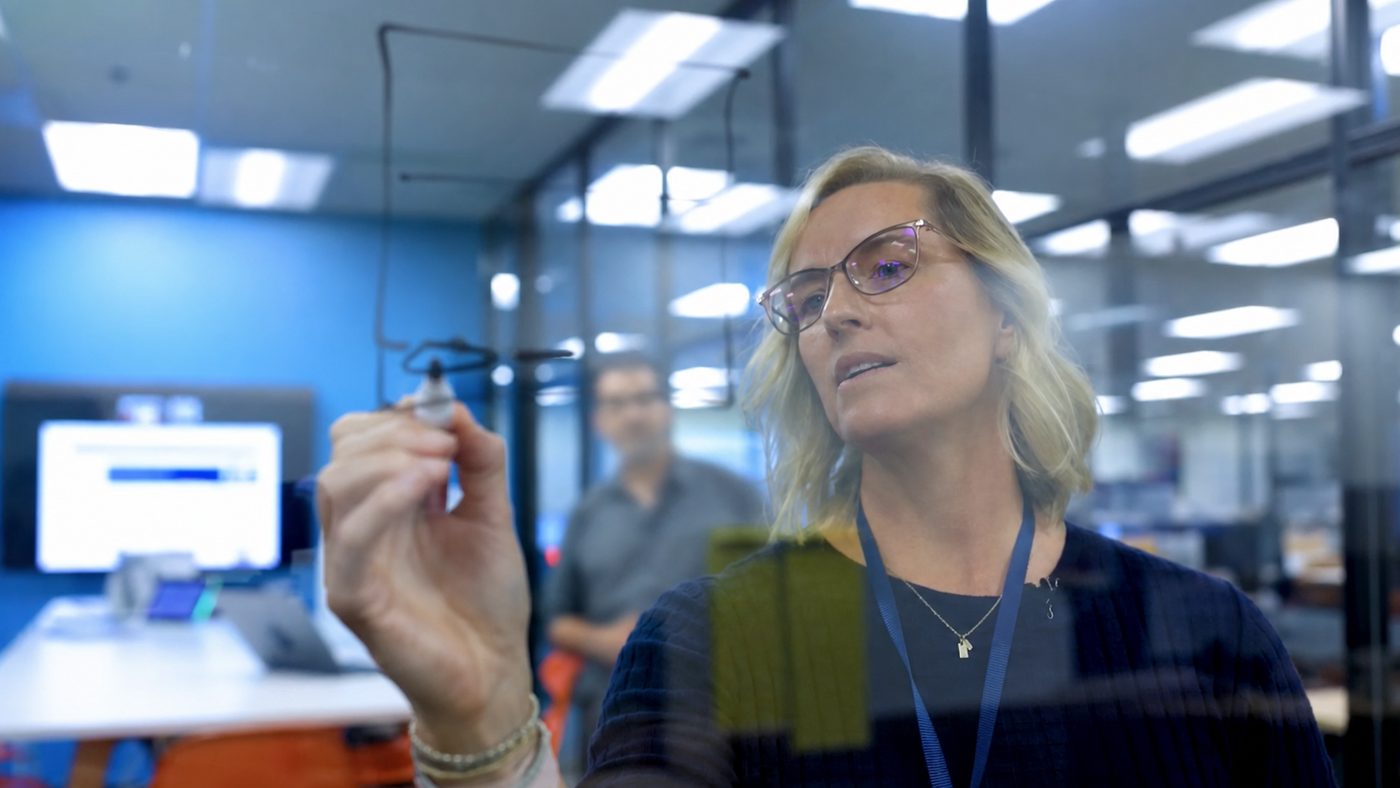
I lead through clarity, coaching, and practical support. I care about the work getting better, but I care just as much about the people doing it feeling steady and capable.
If something can be said simply, it probably should be.
My talks and teaching
Sharing what I know is part of how I lead
I have presented on experience strategy, design systems, governance, and accessibility in enterprise and higher-education settings, including:
- Co-presenting on accessibility at a Walmart Enterprise Business Solutions quarterly town hall (2025)
- Conference sessions at WebCon and IT ProForum on product delivery, design systems, and cross-unit collaboration
- Guest lectures on digital accessibility for University of Illinois College of ACES undergraduate courses
Outside my work
I’m still a maker and a learner
Outside of work, I’m usually exploring something new:
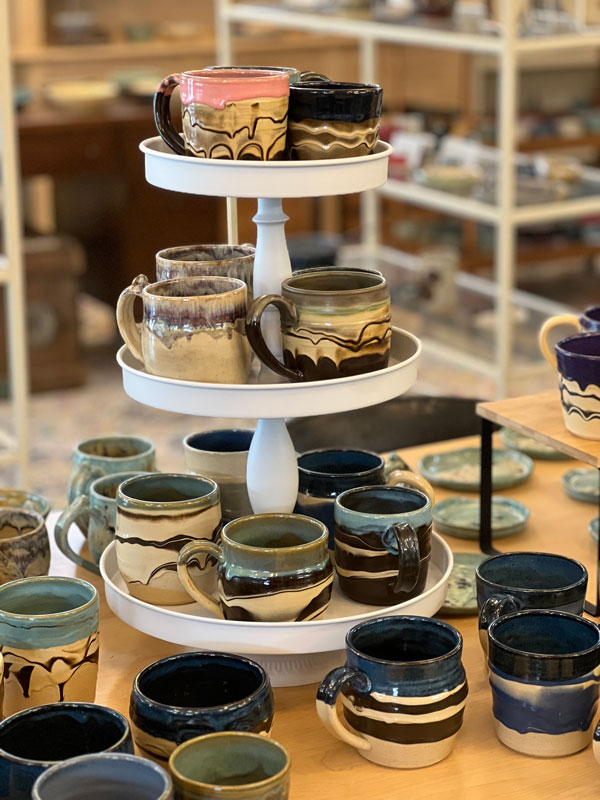
- ceramics
- photography
- AI tools and workflows
- e-biking around town
- exploring Northwest Arkansas
- pickleball
There is usually a new idea, tool, or project somewhere in the mix. I like building things, improving things, and understanding how they work.
What stays with me
The same impulse runs under all of it
I want to make things better, clearer, and more humane.
That is what drew me to design, pulled me toward accessibility, and keeps me interested in leadership and systems today.